

Understanding What Goes Into a Probate Assets List

A probate lawyer wearing a dark suit and tie is seated at a desk, writing on legal documents. A judge’s gavel, legal scale, and paperwork sit on the desk, suggesting a professional law office environment.
When a loved one passes away, families often feel unsure about what happens to their belongings, money, and property. Many people do not know which items must go through probate or how a probate assets list works. This uncertainty can add stress during an already emotional time. Understanding what makes up an estate can help families stay organized and may help reduce the likelihood of disagreements later, depending on the circumstances.
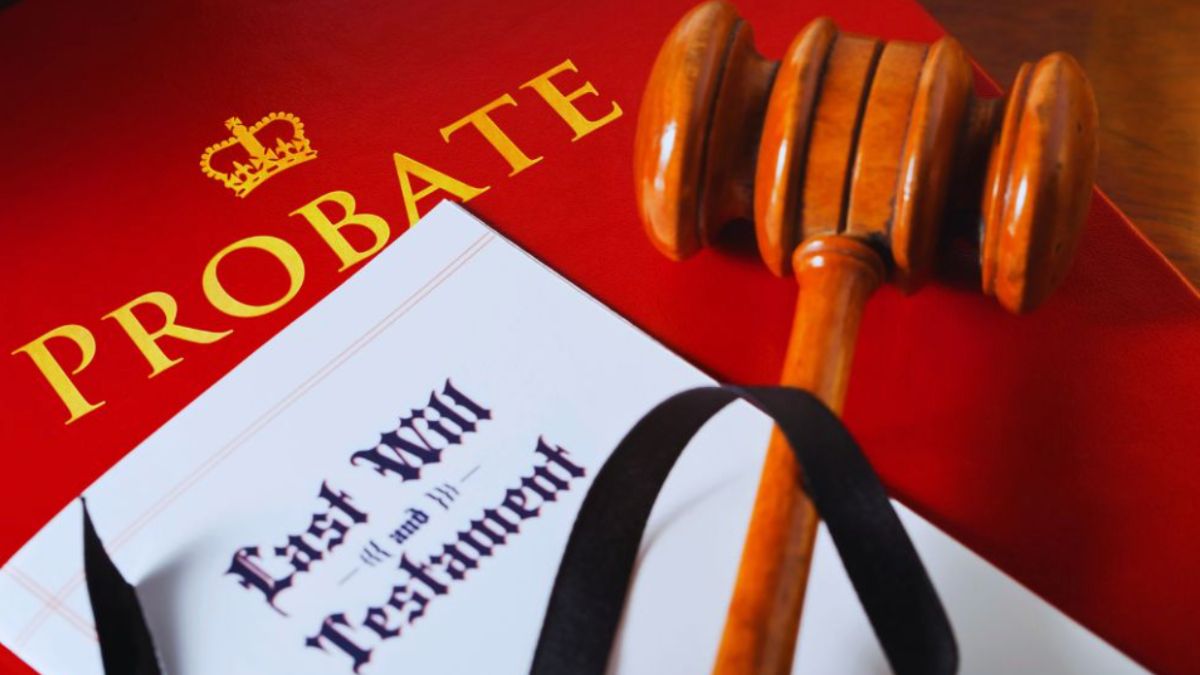
A judge’s wooden gavel lies on a red folder labeled “PROBATE,” next to a “Last Will and Testament” document tied with a black ribbon, representing the probate assets list and the legal process of identifying and distributing a deceased person’s estate

At Fraser Law Firm, LLC, we understand that probate matters can feel overwhelming when important decisions arise. We help you understand the probate assets list clearly so you feel supported and more confident at each step.

Need help organizing a probate assets list?
Call Fraser Law Firm, LLC at (843) 681-9111 Today!

What Is a Probate Assets List?


A probate assets list is a detailed inventory of probate assets—typically items owned solely by the deceased at the time of death or otherwise subject to probate. In South Carolina, this list is generally submitted to the probate court, although specific procedures can vary by county and by the court’s requirements as part of the estate administration process, often through the Inventory and Appraisement (Form 350ES), although simplified procedures may apply in some small or special estates.


Non-probate assets—such as jointly owned property with rights of survivorship or assets with designated beneficiaries—are generally excluded unless they are payable to the estate. Knowing what belongs on the list helps families and personal representatives manage estate details more confidently.


Why Is the Probate Assets List Important?


A probate assets list:


  • Provides a clear record of everything that must be handled through the probate process at the time of a person’s passing
  • Helps the court and the personal representative understand what needs to be managed
  • Reduces the risk of missed assets, mistakes, and conflicts
  • Helps lower the chance of costly disagreements and legal complications


It also highlights the value of professional guidance, especially because probate requirements and procedures can vary based on the size and complexity of the estate.


Items Typically Included in a Probate Assets List


A probate assets list usually covers property that is in the decedent’s name alone or otherwise subject to probate, including:


  • Real estate owned solely by the deceased, including the deceased’s share of any property held as a tenant in common. In contrast, real estate held with rights of survivorship is typically not included because it usually passes directly to the surviving co-owner.
  • Bank accounts held only in the deceased’s name
  • Personal belongings such as jewelry, furniture, artwork, and other household items
  • Vehicles registered solely to the deceased
  • Stocks, bonds, and other investments solely owned
  • Business interests owned solely by the deceased
  • Life insurance proceeds that are payable to the estate (when no direct beneficiary is named)
  • Retirement accounts without designated beneficiaries


The Items Not Included in a Probate Assets List

A close-up of an estate inventory document labeled “Inventory of Estate Assets,” placed beneath a “Last Will and Testament.” A metal house keychain sits on stacked coins beside a “Probate Court Granted” stamp, representing the probate assets list and the process of identifying a decedent’s financial and property assets.

Some assets typically pass outside of probate and are not listed as probate assets, including:


  • Property held in joint tenancy or with rights of survivorship
  • Assets held in a properly funded living trust (correctly titled to the trust before death)
  • Life insurance policies with named beneficiaries
  • Retirement accounts with named beneficiaries
  • Payable-on-death (POD) or transfer-on-death (TOD) financial accounts held with banks, credit unions, or investment firms (such as certain bank, brokerage, or investment accounts) when they are properly titled with a valid beneficiary designation.
  • Items the decedent already gifted during life, because they are no longer legally owned at the time of death.


While these assets usually bypass the probate process, disputes, unclear beneficiary designations, or administrative issues may still require court involvement or additional legal steps.


How to Make a Probate Assets List


Creating a probate assets list as early and accurately as possible in the probate process can help families feel more in control and reduce worries about delays or conflicts. A basic approach includes:


  • Gather documents such as bank statements, property deeds, vehicle titles, insurance policies, and investment records.
  • Identify assets titled solely in the deceased’s name or otherwise subject to probate.
  • Exclude non-probate assets, such as property with joint owners or valid beneficiary designations, if those assets pass directly to the surviving person outside probate.
  • List personal belongings and estimate reasonable values, especially for items with significant worth.
  • Consulting a probate attorney can help verify the accuracy of the list and address legal issues, though the appropriate approach may vary by case. Professional guidance can reduce errors and complications, but outcomes cannot be predicted or promised because they depend on case-specific facts, court procedures, and changes in the law.


Tips for Compiling a Probate Assets List


  • Start early to avoid last-minute stress.
  • Use records from banks, financial institutions, and government offices.
  • Speak with family members about any less obvious or forgotten assets.
  • Take photos or videos of valuable personal items.
  • Review and update the list with your attorney as needed.

Frequently Asked Questions

How do you list assets for probate?

To list assets for probate, gather financial records, property documents, titles, and personal item details. Create a clear, detailed list of all probate assets, including:


  • Real estate
  • Personal property
  • Bank accounts titled solely in the deceased’s name
  • Vehicles
  • Investments without transfer-on-death provisions


Estimated values or appraisals should follow the requirements for the Inventory and Appraisement (Form 350ES) used in South Carolina probate courts. Organize the information in a format the court can easily review. This helps the personal representative manage the estate correctly and reduces the chance of overlooking assets.


Which assets do not go through probate?

Assets that do not go through probate generally include those that typically pass automatically to named beneficiaries or surviving joint owners under South Carolina law, such as:


  • Life insurance policies with beneficiaries
  • Retirement accounts with designated beneficiaries
  • Joint tenancy property with rights of survivorship
  • Payable-on-death or transfer-on-death accounts, assuming the designations are valid and not subject to dispute


These transfers generally occur outside the probate process. They pass directly to the named person without probate court involvement in most cases and generally do not require probate court approval. However, disputes or creditor claims can still lead to additional legal proceedings in some situations.


What assets need to be declared for probate?

Assets that need to be declared for probate are generally items titled solely in the person’s name or otherwise subject to probate, such as:


  • Real estate held in one name (or the decedent’s share as a tenant in common)
  • Personal bank accounts without beneficiaries
  • Vehicles titled solely in the decedent’s name
  • Personal belongings and household items
  • Business interests owned solely by the decedent
  • Investments without transfer-on-death instructions


Listing these items helps the court understand what the estate includes and how it should be handled. It also allows the personal representative to address debts and expenses before any distributions are made to heirs or beneficiaries.

A Trusted Probate Lawyer

A probate lawyer wearing a dark suit and tie is seated at a desk, writing on legal documents. A judge’s gavel, legal scale, and paperwork sit on the desk, suggesting a professional law office environment.

The Fraser Law Firm, LLC, understands how important it is to have a clear and accurate probate assets list when managing an estate. A well-prepared list can support the efficient administration of property and may help reduce the risk of avoidable complications for your family.


Denny Fraser of Fraser Law Firm, LLC, is a respected probate attorney with decades of experience. He provides steady guidance throughout each stage of the process, working to help matters proceed efficiently, although specific timelines and outcomes depend on the facts and court procedures. If you need a knowledgeable and dependable probate lawyer during this difficult time, Fraser Law Firm, LLC is here to support you.

Get guidance on your probate assets list from an experienced Hilton Head probate attorney.
Call Fraser Law Firm, LLC at (843) 681-9111 Today!

The Fraser Law Firm, LLC-Estate Planning and Probate Attorney

94 Main St # D, Hilton Head Island, SC 29926

(843) 681-9111

Disclaimer: This article provides general information and does not serve as legal advice. For legal concerns, consult a licensed attorney. Viewing or interacting with this content does not create an attorney-client relationship. This includes submitting a form, leaving a comment, sending a message, making a call, or leaving a voicemail. Laws may vary by jurisdiction. Laws are subject to change; always verify current legal requirements with a qualified professional. Remember that each case is different, the results of each case will vary, and that all videos posted on this website are not legal advice.
© All Rights Reserved.


Engagement Notice:
An attorney–client relationship with Fraser Law Firm, LLC begins only upon a written agreement and retainer payment, confirmed in a signed engagement letter. Do not send confidential information until such an agreement is executed, as no attorney–client relationship or expectation of confidentiality is created before engagement.


Jurisdictional Statement:
Fraser Law Firm, LLC practices law exclusively within the State of South Carolina. Representation in other jurisdictions may involve association with local counsel, in compliance with applicable rules of professional responsibility.

0

Related Posts